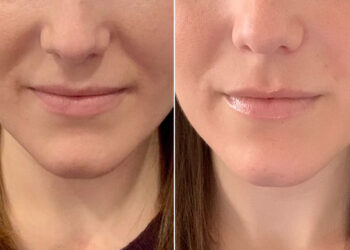
Key Takeaways:
- Buccal fat removal is a facial contouring procedure that targets the buccal fat pad, not overall facial fat, making it different from weight loss.
- The procedure is most suitable for carefully selected individuals with naturally fuller cheeks, good skin quality, and balanced facial proportions.
- Recovery is generally straightforward, with temporary swelling expected before the final facial contour gradually becomes visible.
- As with any surgical procedure, factors such as facial anatomy, patient selection, and surgeon expertise play an important role in treatment planning.
- A personalized consultation with an experienced facial plastic surgeon is the best way to determine whether buccal fat removal in India is appropriate for your facial structure and aesthetic goals.
Buccal fat removal is one of the most talked-about facial contouring procedures today, but it’s also one of the most misunderstood. It’s often associated with achieving a slimmer face, leading many people to assume it’s simply another form of facial fat reduction. In reality, the procedure is much more specific than that.
Rather than removing fat from the face as a whole, buccal fat pad removal surgery targets a distinct fat compartment located deep within the cheeks. Whether the procedure is appropriate depends on factors such as facial anatomy, skin quality, and long-term facial balance, not just the desire for a more defined appearance. This is why a detailed facial assessment by an experienced facial plastic surgeon, such as Dr Debraj Shome, is an essential part of treatment planning.
What Is Buccal Fat Removal?
Everyone has a buccal fat pad, a naturally occurring pocket of fat located deep within the cheeks. It plays a role in facial volume and contributes to the shape of the mid-face and lower facial contour. The size of this fat pad varies naturally, which is why some people have fuller cheeks regardless of their body weight.
Buccal fat removal is a procedure that reduces this deep cheek fat to refine facial contours in carefully selected individuals. Because it targets a specific fat compartment rather than overall facial fat, the procedure is planned around an individual’s facial anatomy and long-term facial balance rather than simply creating a slimmer appearance.
Who Is an Ideal Candidate for Buccal Fat Removal in India?
One of the most common questions people ask is, “Am I the right candidate for buccal fat removal?” The answer depends less on the size of the cheeks and more on the overall balance of the face.
In general, suitable candidates are individuals who:
- Have naturally fuller or rounder cheeks despite maintaining a stable body weight.
- Have good skin elasticity and overall skin quality.
- Are in good general health.
- Have realistic expectations about the outcome of the procedure.
- Are looking to refine facial contours rather than lose facial weight.
On the other hand, the procedure may not be suitable for individuals with very lean faces, significant age-related facial volume loss, certain medical conditions, or those experiencing progressive facial ageing, as removing additional facial volume may affect long-term facial balance. A detailed facial assessment is essential to determine whether buccal fat removal in India is appropriate for an individual’s facial anatomy and aesthetic goals.
How Is Buccal Fat Removal Performed?
The first step is a detailed consultation, where the surgeon evaluates your facial anatomy, skin quality, and overall facial proportions to determine whether buccal fat removal is appropriate for you.
The procedure is typically performed under local or general anaesthesia, depending on the individual case. A small incision is made inside the mouth to access the buccal fat pad, allowing a controlled amount of fat to be removed without leaving any visible external scars. The incision is then closed with dissolvable sutures. Buccal fat pad removal surgery usually takes around 30 to 60 minutes and is commonly performed as a day-care procedure, allowing most patients to return home the same day.
What Are the Benefits of Buccal Fat Removal?
When performed for the right candidate, buccal fat removal can subtly refine the shape of the face without changing its natural character. Rather than creating a completely different appearance, the procedure aims to improve facial proportions by reducing excess fullness in the cheeks.
Potential benefits include:
- Improved definition of the lower face and cheeks.
- Better balance between the cheeks, jawline, and chin.
- Permanent reduction of excess cheek fullness.
- More refined facial contours while maintaining natural facial harmony.
- Results that are tailored to the individual’s facial anatomy and aesthetic goals.
The outcome depends on factors such as facial structure, skin quality, and careful patient selection, which is why a detailed consultation is an important part of treatment planning.
Recovery After Buccal Fat Removal: What Can You Expect?
Most people recover comfortably after buccal fat removal, although some swelling and mild discomfort are expected during the first few days. Because the incision is made inside the mouth, following your surgeon’s instructions and maintaining good oral hygiene are important during recovery.
A soft diet is usually recommended for a short period, and follow-up visits allow your surgeon to check that everything is healing as expected. Many people return to their normal routine within a few days, while the final facial contour becomes more noticeable over the following weeks as the swelling gradually settles.
Are There Any Risks or Limitations in Buccal Fat Removal?
Like any surgical procedure, buccal fat removal involves certain risks and limitations that should be discussed during your consultation. Temporary swelling and bruising are common during the early stages of recovery, while complications such as infection or asymmetry are uncommon but possible.
An equally important consideration is avoiding the removal of too much buccal fat. Since facial volume naturally changes with age, excessive fat removal can make the face appear more hollow over time. This is why careful patient selection and an experienced surgeon play an important role in planning the procedure and achieving balanced, natural-looking facial contours.
Buccal Fat Removal vs Weight Loss: What’s the Difference?
One of the biggest misconceptions about buccal fat removal is that it’s a substitute for losing weight. In reality, the two affect the face in very different ways. When you lose weight, fat reduces throughout the body, including the face. However, the buccal fat pad doesn’t always reduce to the same extent. That’s why some people continue to have fuller cheeks despite maintaining a healthy weight and body composition.
Buccal fat removal is designed to address this specific area of facial fullness. Rather than replacing weight loss, it’s considered for individuals whose cheek volume is largely influenced by their natural facial anatomy. The decision to undergo the procedure is based on facial structure and overall balance, not on body weight alone.
Conclusion
Buccal fat removal can be an effective facial contouring procedure for carefully selected individuals, but it isn’t the right choice for everyone. The decision should be guided by facial anatomy, skin quality, and long-term facial balance rather than the desire for a slimmer face alone.
If you’re considering buccal fat removal in India, a personalized consultation with Dr Debraj Shome can help determine whether the procedure aligns with your facial structure and aesthetic goals. You can also visit TEC® in Mumbai to learn more about the procedure and discuss the most suitable treatment options with an experienced facial plastic surgeon.
FAQs
Is buccal fat removal permanent?
Yes. Once the buccal fat pad is removed, it does not grow back. However, the natural ageing process continues, so your facial appearance may still change gradually over time.
Will buccal fat removal make me look older later in life?
Not necessarily. When the procedure is performed for the right candidate and only the appropriate amount of fat is removed, it is planned to maintain natural facial balance. This is why careful patient selection is an important part of treatment planning.
Can buccal fat removal be combined with other facial contouring procedures?
Yes. Depending on your facial anatomy and aesthetic goals, buccal fat removal may be performed alongside other facial procedures. Your surgeon will advise whether a combined approach is appropriate for you.
Is buccal fat removal painful?
The procedure is performed under local or general anaesthesia, so you won’t feel pain during surgery. Some swelling, tightness, or mild discomfort is common afterwards and is usually manageable with the medications prescribed by your surgeon.
How soon can I eat normally after buccal fat removal?
A soft diet is usually recommended during the initial stages of recovery to allow the incision inside the mouth to heal. Your surgeon will advise when you can gradually return to your regular diet.
What is the cost of buccal fat removal in India?
The buccal fat removal cost in India varies depending on factors such as the surgeon’s expertise, the clinic, the complexity of the procedure, and whether it is combined with other treatments. A consultation is the best way to receive an individualised treatment plan and cost estimate.
Does buccal fat removal surgery reduce your age?
No. Buccal fat removal is designed to refine facial contours by reducing excess cheek fullness. While it may create a more defined facial appearance in suitable candidates, it is not intended to make a person look younger.
Is cheek liposuction the same as buccal fat removal?
No. Although both procedures involve facial contouring, they target different areas. Cheek liposuction removes fat closer to the surface beneath the skin, whereas buccal fat removal specifically addresses the deeper buccal fat pad within the cheek.