Key Takeaways:
- Modern facial plastic surgery focuses on creating balance across the face, not changing one feature alone.
- Facial harmony comes from the way facial features work together, not from perfect symmetry.
- Every treatment plan is based on the individual’s facial structure, concerns, and natural features.
- Natural-looking plastic surgery results are achieved through careful planning and realistic expectations.
- Choosing an experienced facial surgeon is key to achieving results that complement your face naturally.
There is a reason some facial procedures are almost impossible to recognise. It isn’t because very little has changed. It’s because the changes respect the natural relationship between the eyes, nose, lips, chin, and jawline. When those features remain in balance, the face still looks familiar, just more refined.
That understanding has gradually changed the way facial plastic surgery is approached. Instead of planning around a single concern, an experienced facial surgeon like Dr Debraj Shome considers how every feature contributes to the overall appearance of the face. This emphasis on facial balance has made facial harmony one of the guiding principles of modern aesthetic surgery.
This approach is reflected in the work of Dr Shome, where treatment planning is centred on the individual rather than a fixed idea of beauty. The goal is to achieve plastic surgery results that complement natural facial features, allowing refinement without compromising identity
What Is Facial Harmony?
A small change to one part of the face doesn’t stay confined to that area. Refining the nose can alter the way the eyes are noticed. Improving chin projection can change the balance of the profile. Even subtle adjustments can influence how the whole face is perceived because every feature exists in relation to the others.
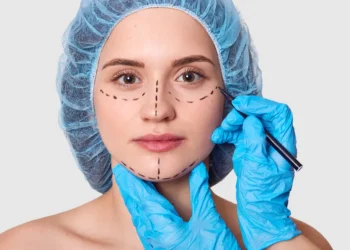
That’s the principle behind facial harmony. In facial plastic surgery, an experienced facial surgeon doesn’t assess the nose, eyelids, lips, or jawline as separate concerns. The face is evaluated as a complete structure, taking into account facial proportions, symmetry, bone structure, and the individual characteristics that make each person unique. The purpose isn’t to create identical features or an ideal face, but to improve facial balance while preserving natural identity.
Why Modern Facial Plastic Surgery Prioritizes Harmony Over Perfection
Moving Away from One-Size-Fits-All Beauty Standards
The same procedure can create two very different outcomes because no two faces are built alike. Facial features don’t exist independently, and changing one area can influence the balance of everything around it. A consultation often changes the way a concern is viewed. Assessment takes into account factors that are unique to the individual, including age, ethnicity, skin quality, facial structure, and natural expressions.
Natural-Looking Results Are the Modern Goal
A noticeable change is no longer the standard many people measure success by. More often, they want family and friends to notice that they look well without immediately recognising why. That usually happens when changes are made with restraint and in keeping with the person’s existing features.
How a Facial Surgeon Evaluates Facial Harmony
A consultation doesn’t usually begin by looking at one feature in isolation. Facial proportions are carefully assessed alongside skin quality, underlying facial structure, and the changes that naturally occur with age. Whether surgery involves the nose, eyelids, or another facial structure, changes need to support the way that area works as well as the way it looks.
Common Facial Plastic Surgery Procedures That Support Facial Harmony
Every face ages differently, and not everyone is bothered by the same feature. Because these concerns vary from person to person, treatment is never about following a standard formula.
Rhinoplasty and Facial Balance
The nose naturally draws attention because it sits at the centre of the face. Even a small change to its shape or projection can alter the way the profile is perceived. During rhinoplasty, the nose is never assessed in isolation. Its relationship with the chin, forehead, lips, and the rest of the facial profile is equally important, as these features work together to create facial balance.
Blepharoplasty and Eye Rejuvenation
Changes around the eyes are often noticed gradually. Upper eyelids may begin to feel heavier, or under-eye bags may become more noticeable with time, giving the face a tired look even when someone feels well. Blepharoplasty addresses these concerns while keeping the natural shape of the eyes intact.
Facelift Procedures and Facial Contours
Most people don’t notice facial ageing all at once. It may begin with a softer jawline, cheeks that no longer have the same definition, or skin that doesn’t sit quite the way it once did. A facelift is planned around these changes rather than treating every part of the face in the same way.
Chin and Jawline Enhancement
The chin and jawline quietly shape the profile, even though they are rarely the first features people think about. When they are out of proportion with the rest of the face, the imbalance often becomes noticeable through the profile rather than the chin itself. Bringing this area into better proportion can make the face feel more balanced without making the change itself obvious.
Which Factors Influence Plastic Surgery Results?
It’s tempting to compare before-and-after photographs, especially when two people have had the same operation. In reality, those comparisons only tell part of the story. Surgeons aren’t starting with the same face, the same skin, or even the same expectations.
Individual Facial Anatomy
Bone structure is one of the biggest differences from one person to the next. Some faces have stronger definition, while others rely more on soft tissue. Skin behaves differently too. In some people it stays firm for years. In others it loses elasticity much earlier.
Surgical Planning and Expertise
Planning isn’t about choosing an operation and moving ahead. Quite often, the consultation changes the plan. A feature that seems to be the main concern may turn out to be part of a much bigger picture once the whole face is assessed. That’s where the experience of a facial aesthetic surgeon becomes important.
Patient Expectations and Communication
People don’t all walk into a consultation asking for the same thing. One person may want a noticeable change. Another may simply want to look less tired without anyone knowing they’ve had surgery. Those conversations matter because they help define what success looks like for that individual.
How to Choose the Right Facial Aesthetic Surgeon
Most people spend time comparing procedures, but it’s just as important to understand who’s performing them. Experience with facial plastic surgery matters because the face is different from every other part of the body. Small changes can affect the way the whole face is seen. It’s also worth paying attention to the consultation. A good facial aesthetic surgeon will take time to explain their thinking, answer your questions, and tell you honestly if a procedure isn’t the right choice.
Conclusion
Every face has its own proportions, expressions, and features that make it recognisable. That is exactly why facial plastic surgery cannot be reduced to changing one feature alone. Looking at the face as a whole allows each decision to fit naturally within the person’s existing facial structure, creating changes that feel balanced rather than obvious.
The best plastic surgery results rarely come from dramatic transformation. They come from careful planning, realistic decision-making, and an understanding of what suits the individual. With the guidance of an experienced facial surgeon like Dr. Debraj Shome, treatment is planned around the face you already have, not the face you’re expected to have.
FAQs
What is facial harmony in facial plastic surgery?
People often think it’s about making every feature perfect. It isn’t. A face looks balanced when the features suit each other. Sometimes changing one area is enough to bring everything together. Other times, leaving a feature exactly as it is makes more sense.
Why is facial harmony important for plastic surgery results?
Because people notice a face as a whole, not one feature at a time. If a change feels in keeping with the rest of the face, it usually looks natural. That’s often what makes the result feel right.
How does a facial surgeon assess facial balance?
It starts by understanding the face before thinking about surgery. A facial surgeon looks at facial proportions, skin quality, bone structure, expressions, and the concern that brought the patient in. Only then does the discussion move to possible treatment.
Which facial plastic surgery procedures improve facial harmony?
There’s no standard answer. A nose may be the main concern for one person, while someone else may benefit more from eyelid surgery or a facelift. The procedure depends on what the face needs, not on what’s most commonly performed.
Can facial plastic surgery provide natural-looking results?
Yes, and that’s usually what people ask for. Most aren’t looking for a different face. They simply want to look fresher, more balanced, or less tired without it being obvious they’ve had surgery.
Does facial harmony mean having a perfectly symmetrical face?
No. Perfect symmetry is uncommon, and it isn’t something most people notice in everyday life. A balanced face is usually far more important than a perfectly symmetrical one.
How long do plastic surgery results typically last?
That varies from person to person. The type of surgery, skin quality, lifestyle, and the natural ageing process all have an influence, so there’s no single answer that fits everyone.
Why do modern facial surgeons focus on the entire face instead of one feature?
Because changing one feature can change the way the rest of the face is seen. Looking at the whole face helps the surgeon decide what will work best, instead of making a change that feels out of place.