Key Takeaways:
- Under eye bags can develop due to ageing, genetics, fluid retention, allergies, lifestyle factors, or a combination of these.
- Identifying the underlying cause is important, as temporary puffiness and permanent lower eyelid bags often require different approaches.
- Mild cases may be managed with non-surgical treatments, while lower eyelid blepharoplasty may be considered for more significant age-related changes.
- Healthy lifestyle habits can help reduce temporary puffiness, but they may not address structural changes around the lower eyelids.
Many people use the term “under eye bags” to describe any swelling beneath the eyes, but not every under-eye concern is the same. Puffiness after a late night, dark circles, and permanent lower eyelid bags can look similar, yet they often have different causes. Understanding what’s actually causing the change is the first step towards choosing the right approach.
Under eye bags are one of the most common aesthetic concerns among both men and women. While they are often associated with aging, factors such as genetics, allergies, lifestyle habits, and fluid retention can also contribute to their appearance. Because treatment depends on the underlying cause, an accurate diagnosis is important before considering any intervention. Facial plastic surgeons such as Dr Debraj Shome take a personalised approach to evaluating under eye concerns and recommending treatment options based on each individual’s anatomy and aesthetic goals.
What Are Under Eye Bags?
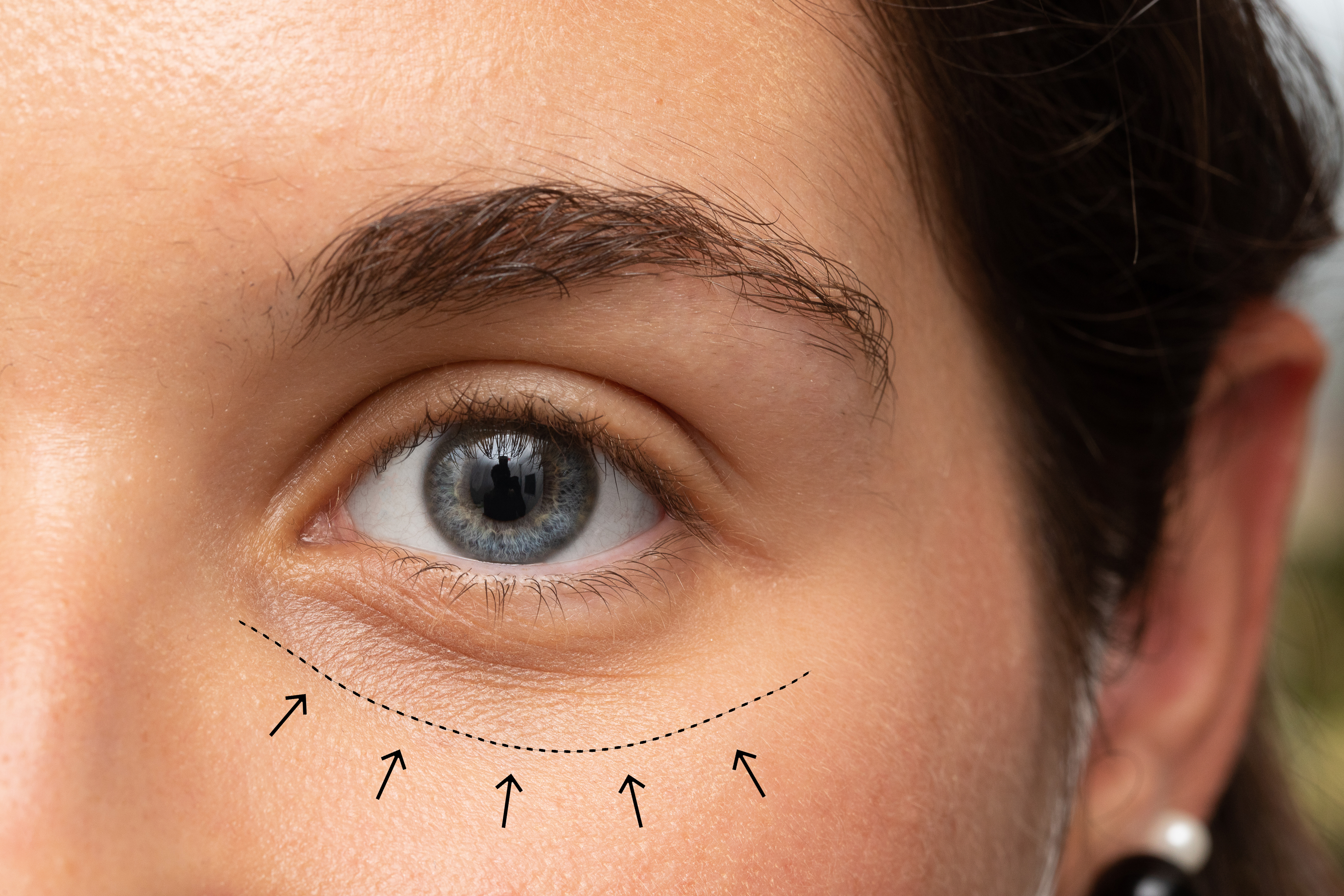
Under eye bags are the visible swelling or fullness that develops beneath the lower eyelids. Unlike dark circles, which are mainly caused by skin pigmentation or visible blood vessels, under eye bags are usually related to changes in the tissues that support the lower eyelid.
As we age, the connective tissues and the thin membrane that helps keep the fat around the eyes in place, known as the orbital septum, gradually become weaker. This can allow the natural orbital fat to move forward, creating the appearance of lower eyelid bags or periorbital puffiness.
What Are the Common Causes of Under Eye Bags?
In many cases, they’re the result of several factors working together over time. While aging is one of the most common causes, genetics, lifestyle habits, allergies, and temporary fluid retention can also influence the appearance of the lower eyelids.
Natural Ageing Process
Aging is one of the most common causes of under eye bags. As we get older, the skin gradually loses collagen and elastin, making it thinner and less firm. At the same time, the orbital septum, the thin membrane that supports the fat around the eyes, weakens. This allows the orbital fat to move forward, while increasing skin laxity makes lower eyelid bags more noticeable.
Genetics
Genetics can influence how the lower eyelids are structured, including the position of orbital fat, skin thickness, and the strength of the supporting tissues. As a result, some people develop under eye bags at a younger age, even without significant ageing or lifestyle-related factors.
Fluid Retention
Factors such as a high-sodium diet, dehydration, hormonal fluctuations, and even sleeping flat can encourage fluid to collect around the lower eyelids. This can temporarily affect lymphatic drainage, making the area appear swollen or puffy. Unlike age-related eye bags, this type of puffiness often improves as fluid balance returns to normal.
Lack of Sleep & Fatigue
Poor sleep doesn’t usually cause permanent under eye bags, but it can make existing puffiness appear more noticeable. Inadequate rest may contribute to fluid retention around the eyes, making the lower eyelids look swollen, especially in the morning. While improving sleep habits can help reduce temporary puffiness, persistent lower eyelid bags are often linked to underlying anatomical or age-related changes.
Allergies & Eye Rubbing
Allergies can contribute to under eye bags by triggering an inflammatory response. The release of histamine may cause the tissues around the eyes to become swollen and puffy. Frequent eye rubbing can further irritate the delicate skin, making periorbital puffiness more noticeable, particularly during allergy flare-ups.
Lifestyle Factors
Certain lifestyle habits can make under eye bags more noticeable. Smoking, excessive alcohol consumption, prolonged screen time, UV exposure, and ongoing stress may affect skin quality, contribute to collagen breakdown, or worsen puffiness around the lower eyelids over time.
When Should You Consider Treatment?
Occasional puffiness after a late night or a salty meal is usually temporary and often settles on its own. However, if under eye bags remain visible despite adequate rest and healthy lifestyle habits, it may be worth seeking a professional assessment.
Treatment may be considered when puffiness is persistent, the lower eyelid bags are caused by protruding fat pads or loose skin, or when they begin to affect overall facial appearance and confidence. Identifying the underlying cause is an important step in deciding whether non-surgical options or blepharoplasty may be more appropriate.
Non-Surgical Treatments
Not all under eye bags require surgery. When puffiness is mild or related to skin quality rather than prominent fat pads, non-surgical treatments may be considered after a detailed facial assessment. Depending on the assessment, treatment options may include:
- Topical skincare
- Chemical peels for selected patients
- Laser skin resurfacing
- Radiofrequency skin tightening
- Dermal fillers for tear trough correction
- Lifestyle modifications
Each of these approaches addresses different concerns, which is why a personalised evaluation is essential before deciding on any treatment.
Surgical Treatment (Lower Blepharoplasty)
When under eye bags are caused by prominent fat pads, loose skin, or age-related changes in the lower eyelids, non-surgical treatments may not always address the underlying concern. In such cases, lower eyelid blepharoplasty may be considered.
The procedure focuses on improving the contour of the lower eyelids by repositioning or removing excess orbital fat, addressing loose skin where required, and supporting the underlying tissues. It is generally recommended for moderate to severe lower eyelid bags following a comprehensive facial assessment to determine whether surgery is the most appropriate option.
Can Under Eye Bags Be Prevented?
Not all under eye bags can be prevented, especially when they’re influenced by ageing or genetics. However, certain daily habits may help reduce temporary puffiness and support the health of the delicate skin around the eyes.
Simple measures include:
- Getting adequate sleep
- Wearing sunscreen and protecting the eye area from UV exposure
- Staying well hydrated
- Eating a balanced diet and limiting excess salt intake
- Avoiding smoking
- Managing allergies to reduce eye irritation
- Following a suitable skincare routine with antioxidants and retinoids, when appropriate
While these measures may help maintain overall skin health, persistent lower eyelid bags should be assessed by a qualified facial plastic surgeon to determine the underlying cause and discuss appropriate treatment options.
Conclusion
Under eye bags can develop for several reasons, from natural ageing and genetics to temporary fluid retention and lifestyle factors. Because the underlying cause varies from person to person, there’s no single treatment that’s right for everyone. While some individuals may benefit from non-surgical approaches, others with more pronounced lower eyelid bags may be better suited to blepharoplasty. A detailed assessment by an experienced facial plastic surgeon, such as Dr Debraj Shome, can help identify the cause of the concern and recommend a treatment plan that’s tailored to your facial anatomy and aesthetic goals.
FAQs
At what age do under eye bags usually start appearing?
There isn’t a fixed age. Some people notice under eye bags in their twenties due to genetics, while others develop them later as part of the natural ageing process. Factors such as lifestyle, allergies, and skin quality can also influence when they become noticeable.
Can under eye bags go away naturally without treatment?
Temporary puffiness caused by lack of sleep, allergies, or fluid retention may improve once the underlying cause is addressed. However, lower eyelid bags caused by aging, fat prolapse, or loose skin are less likely to resolve on their own.
Are under eye bags permanent or temporary?
It depends on the cause. Puffiness related to fluid retention or allergies is often temporary, whereas age-related or genetic under eye bags tend to be more persistent.
Does drinking more water reduce under eye bags?
Staying hydrated supports overall skin health and may help reduce puffiness caused by dehydration or fluid imbalance. However, hydration alone is unlikely to improve under eye bags caused by structural changes in the lower eyelids.
How long do the results of under eye bag surgery last?
Lower eyelid blepharoplasty is designed to address age-related changes such as protruding fat pads and loose skin. While the natural ageing process continues, the improvements achieved with surgery are generally long-lasting.