Key Takeaways:
- Hair transplant surgery is considered when there is tremendous hair loss.
- Non-surgical hair restoration is considered when hair thinning has recently started.
- Hair transplant surgery and non-surgical hair restoration have different approaches, care, and methods.
- Sometimes doctors prescribe both hair transplant surgery and non-surgical hair restoration methods. It depends on the patient’s hair loss.
These days, hair loss is a common concern for everyone. Some notice gradual thinning. While others experience visible bald patches or even receding hairlines. There is a growing awareness around hair restoration today. This often makes patients end up getting confused between surgical and non-surgical options.
People are unable to choose between hair transplant surgery and non-surgical hair restoration. Though they may sound similar, they work very differently. What suits one person may not suit another. Factors like age, scalp condition, stage of hair loss, and lifestyle often influence the decision.
This is why proper consultation matters. Specialists like Dr Debraj Shome focus on understanding the patient’s hair loss pattern. It is after this that they suggest a treatment approach.
What Is Hair Transplant Surgery?
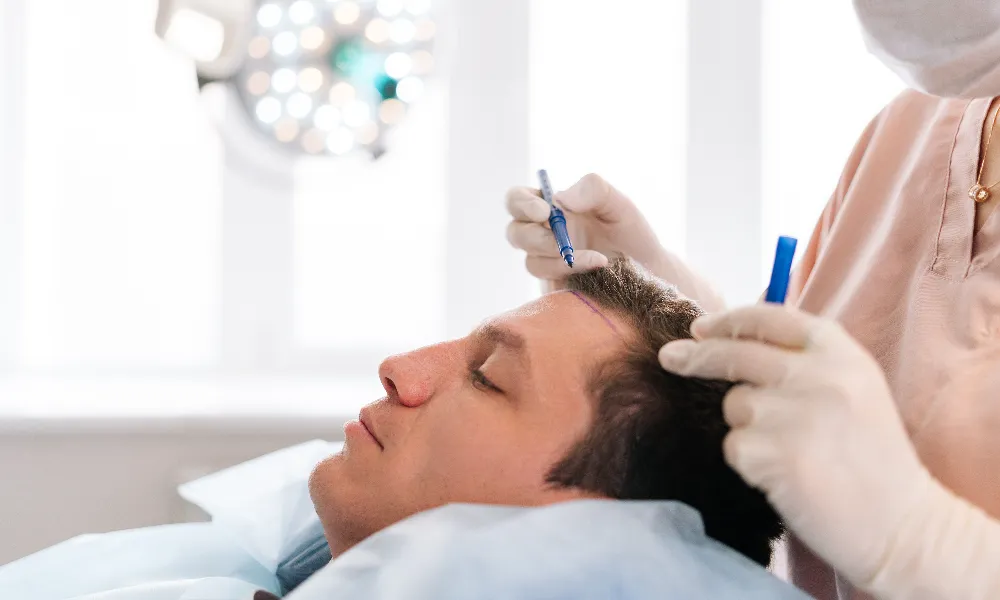
Hair transplant surgery is a procedure where hair from one part of the scalp is moved to another part. They usually take the hair from the back or sides of the scalp. It is said that the hair in these areas tends to stay healthy.
The main methods of hair transplant surgery are:
- FUE (Follicular Unit Extraction)
- FUT (Follicular Unit Transplantation).
In the FUE method, the specialists take out hair follicles one by one. Whereas FUT is where they take a strip of scalp skin and then separate the hair follicles from it. Both FUE and FUT are used to restore hair.
There are certain factors that a doctor considers when a patient wants to know more about hair transplant surgery. They depend on the patient’s scalp and the quality of the hair they have. It also depends on what the patient wants to achieve with hair transplant surgery.
Bald spots, thinning hair, or a receding hairline are some factors that a person considers when considering hair transplant surgery. The doctor will check if the patient’s hair loss has stopped and if they have hair that can be used for the transplant. Another important point is long-term planning. A hair transplant may improve density in treated areas. While natural hair thinning can still continue in other parts of the scalp over time.
Patients usually search for the best hair transplant doctor in Mumbai. They want treatment from specific specialists. The main target is to focus on long-term planning after the transplant.
What Is Non-Surgical Hair Restoration?
A lot of people want to know what a non-surgical hair transplant is. As the name suggests, these treatments do not involve putting hair follicles in the scalp with surgery.
Non-surgical hair restoration is usually about helping the scalp and the already existing hair follicles. People who are just starting to lose their hair or already have hair loss often think about these treatments.
There are kinds of non-surgical hair transplant treatments that a patient can opt for. Some common ones are:
- Growth factor-based therapies
- Treatments that focus on the scalp
- Medical management approaches
- Therapies that support the hair follicles
These treatments do not usually involve a lot of cutting or poking, making it a preferable choice for many.
One treatment that people often talk about is QR678®. It is a non-surgical hair restoration approach that may be considered in patients experiencing early-stage hair thinning or as part of ongoing scalp and follicular care.
Patients also want to know the pricing of such non-surgical hair treatments. It usually differs on factors like:
- The number of treatments needed
- Quantity of hair loss
- Technology and the kind of treatment to be used
- Individual treatment plan
These are the factors on which these treatments depend. Hair specialists customise and make a treatment plan only after checking the scalp.
Hair Transplant Surgery vs Non-Surgical Hair Restoration
| Factor | Hair Transplant Surgery | Non-Surgical Hair Restoration |
| Procedure Type | Surgical | Non-invasive/minimally invasive |
| Downtime | Moderate | Minimal |
| Best For | Advanced hair loss | Early thinning |
| Recovery | Longer | Faster |
| Maintenance | Often needed | Session-based |
Be it hair transplant surgery or non-surgical hair restoration, both have different roles in hair restoration. For some patients, treatment is done for density improvement. Some aim for long-term benefits. They want their treatment done at the early stages of thinning.
Non-surgical hair restoration is commonly explored during the earlier stages of thinning.
Many people consider non-surgical hair restoration treatments when they notice increased hair fall, reduced hair density, or gradual thinning around certain areas of the scalp. These hair restoration approaches are also often preferred by people looking for minimal downtime and gradual maintenance support.
Today, hair restoration planning is becoming more personalized than following a single care approach for everyone.
In some cases, specialists like Dr Debraj Shome may recommend combining hair transplant surgery and non-surgical hair restoration. This combined approach depends on the scalp health, donor’s hair quality, age, and long-term expectations.
The idea is usually to create a hair restoration treatment plan that matches the patient’s individual hair needs.
Conclusion
Hair transplant surgery and non-surgical hair restoration are talked about a lot these days. Even if they serve different purposes. Hair transplant surgery can help with covering up spots, while non-surgical hair restoration can help take care of the scalp and hair the moment hair fall starts.
It is not necessary that one treatment works for every patient. Restoring hair usually depends on the health and condition of the scalp. It also depends on the number of hairs lost, a patient’s treatment goal, and much more. Doctors like Dr Debraj Shome often make a plan so that one can understand what will work best for their hair.
FAQs
Is hair transplant surgery permanent?
Hair transplant surgery redistributes healthy follicles.
What is a non-surgical hair transplant?
It generally refers to non-invasive or minimally invasive hair restoration approaches designed to support scalp and follicular health.
What happens after hair transplant surgery?
Patients may experience temporary redness, shedding, and gradual hair growth over the following months.
Are there precautions after hair transplant surgery?
Yes. Patients are usually advised to avoid excessive sweating, direct sun exposure, and strenuous activity during recovery.
Can QR678® be used with hair transplant surgery?
QR678® may be considered as part of broader hair restoration planning before or after surgical procedures, depending on clinical evaluation.
How do I choose a hair transplant surgeon?
Look for experience, personalized consultation, realistic planning, and expertise in both surgical and non-surgical hair restoration approaches.