Key Takeaways:
- Rhinoplasty may address both cosmetic and functional concerns.
- Treatment goals vary from one patient to another.
- Recovery is gradual and requires patience.
- Understanding risks and limitations is an important part of the process.
- Costs can vary depending on the procedure and surgeon.
- A consultation helps determine whether rhinoplasty is the right option.
Most people have at least one feature they pay more attention to than anyone else does. For some, that feature is the nose. It might stand out in photographs, draw attention from certain angles, or simply feel out of proportion with the rest of the face. Because the nose sits at the centre of the face, even subtle differences in shape or size can influence overall appearance. That is one reason interest in nose plastic surgery has continued to grow in India.
Rhinoplasty surgery in India is not about creating a perfect nose. The goal is usually much more personal than that. In many cases, patients are simply looking for a nose that feels more in keeping with their facial features and individual expectations.
This article looks at how rhinoplasty in India is approached today, what recovery involves, who may be a suitable candidate, and the factors that influence rhinoplasty cost in India.
Understanding Rhinoplasty Beyond Cosmetic Enhancement
Not everyone who considers rhinoplasty is chasing a different look. That surprises people because the procedure is usually discussed in the context of appearance. Yet many consultations begin with concerns that have nothing to do with photographs or profile views. Breathing issues, old injuries, & long-standing nasal concerns are part of the discussion too.
In practice, every patient arrives with a different reason for being there. This is also where rhinoplasty and septoplasty are often discussed together. While rhinoplasty changes the shape and structure of the nose, septoplasty focuses on correcting issues within the septum. Depending on the individual case, the surgeon may recommend one procedure or a combination of both.
How Nose Shape Influences Facial Confidence
For many people, the conversation around rhinoplasty starts long before they ever meet a surgeon. It starts with photographs they do not like. Videos they avoid watching. A side profile, they have never been comfortable with.
Why the Nose Plays a Major Role in Facial Balance
People tend to notice what sits in the middle of the face. The eyes move, expressions change, hairstyles come and go, but no changes in the way your nose looks. That is one reason it often attracts so much attention from the person looking in the mirror.
The Confidence Factor
Not everybody who considers rhinoplasty lacks confidence. Many are confident in every other area of their lives. They simply have one feature they have thought about for years and would prefer not to think about anymore.
Setting Realistic Expectations
Most patients are not looking for a completely different face. They still want to look like themselves. The goal is usually much smaller than people imagine. A refinement. A correction. A feature that feels less distracting than it did before.
Who Is a Suitable Candidate for Rhinoplasty?
Rhinoplasty is one of those procedures where the reason behind the decision matters just as much as the procedure itself.
Physical Considerations
A surgeon can only work with what is already there. The shape of the nose, skin thickness, existing support structures, and overall health all influence what changes are possible and how healing may progress afterwards.
Personal Readiness
Some patients arrive knowing exactly what bothers them. Others struggle to put it into words and simply know that something feels out of proportion. Either way, the decision tends to work best when it is made with realistic expectations and a clear understanding of the recovery involved.
Functional Candidates
For some people, appearance is secondary. Their concern starts with blocked airflow, difficulty breathing through the nose, or changes following an injury. In these situations, the discussion often goes beyond appearance alone.
What Can Nose Plastic Surgery Correct?
Cosmetic Concerns
Nose reshaping surgery may be considered for concerns such as:
- A prominent dorsal hump
- A drooping or poorly defined nasal tip
- A crooked nose
- A wide nasal bridge
- Nostril asymmetry
- Facial features that appear out of proportion due to nasal shape
The exact approach varies from one patient to another, as no two noses are identical.
Functional Concerns
Rhinoplasty may also be performed to address structural concerns that contribute to:
- Nasal obstruction
- Breathing difficulties
- Changes following facial trauma
- Internal irregularities affecting airflow
Where function is affected, treatment planning often involves careful evaluation of both the external and internal nasal structures.
The Rhinoplasty Consultation Process
The first consultation is often where assumptions meet reality. A patient may arrive thinking a certain change is needed and leave with a completely different understanding of what is possible, what is necessary, or whether surgery is even the right step.
What Happens During Consultation?
The conversation usually starts with the reason for the visit. Sometimes it is a feature that has bothered the patient for years. Sometimes it is a breathing issue. Sometimes it is both. From there, the discussion becomes more specific. The surgeon examines the nose, reviews any concerns, and explains what can realistically be achieved based on the individual’s anatomy.
Rhinoplasty Procedure Overview
Surgical Techniques
Patients are often surprised to learn that there is more than one way to perform rhinoplasty. Some procedures require a clearer view of the structures inside the nose, while others can be carried out without any external incision. The choice is usually based on what needs to be corrected rather than a preference for one technique over another.
What Happens During Surgery?
The details vary from one patient to the next. In some cases, the changes involve cartilage. In others, bone, internal structures, or a combination of different areas may need attention. Once the planned work is complete, the nose is protected with a splint to support the early stages of healing.
Recovery Tips
A few simple habits can make the recovery period easier:
- Keep follow-up appointments as scheduled
- Avoid activities that could result in accidental impact
- Sleep with the head elevated during early healing
- Follow post-operative instructions carefully
- Allow enough time for the nose to settle naturally
Rhinoplasty recovery is rarely about rushing towards a result. Most of the process comes down to healing, patience, and allowing changes to unfold gradually.
Understanding Risks and Limitations
Common Temporary Effects
- Swelling is expected after surgery.
- Bruising may occur around the nose and eyes.
- Temporary nasal congestion is common.
- These effects usually improve with healing.
Potential Complications
- Most recoveries progress without major issues.
- Risks can include infection, bleeding, or scar tissue formation.
- Some patients may require further correction.
Why Surgeon Selection Matters
- Rhinoplasty affects both appearance and breathing.
- Changes in one area can influence another.
- Experience and precision are important when planning surgery.
Nose Rhinoplasty Cost in India: What Affects the Price?
There is no standard rhinoplasty price that applies to every patient. A straightforward procedure and a complex reconstruction are unlikely to involve the same level of planning or surgical work. That is why costs can differ based on the surgeon, the procedure itself, and where the surgery is performed. For most patients, the discussion is not just about price. It is also about who is performing the surgery and whether they feel comfortable placing themselves in that person’s hands.
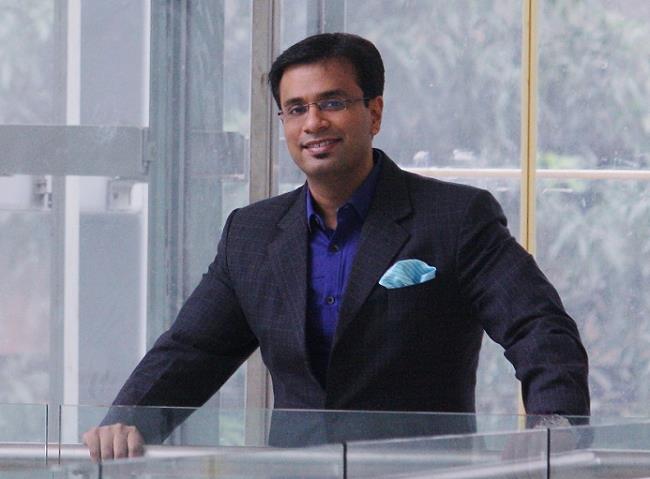
Dr. Debraj Shome’s Approach to Rhinoplasty
Rhinoplasty is rarely approached as a one-size-fits-all procedure. Every patient arrives with a different concern, whether it relates to appearance, breathing, previous injury, or a combination of factors. This is why treatment planning begins with understanding the individual rather than focusing only on the nose itself.
Dr. Debraj Shome’s experience in facial plastic surgery and facial reconstruction allows rhinoplasty to be viewed within the broader context of facial structure and function. Rather than working towards a standard result, the focus remains on what is appropriate for the patient’s anatomy, concerns, and goals.
The process also extends beyond the surgery itself. Consultations, recovery guidance, and follow-up care give patients the opportunity to better understand each stage of treatment, ask questions when needed, and make informed decisions throughout their surgical journey.
Conclusion
People explore rhinoplasty for different reasons. For some, the goal is a change in appearance that feels more in keeping with their facial features. For others, the focus may be on concerns related to nasal function and everyday comfort.
The procedure itself is only one part of the story. Recovery takes time, healing can be gradual, and every outcome is shaped by individual anatomy and expectations. Understanding these realities before surgery often helps patients approach the process with greater clarity.
Because rhinoplasty involves both appearance and function, experience matters. An informed discussion with an experienced surgeon can help patients understand what may be possible, what limitations exist, and whether nose plastic surgery is the right choice for their particular concerns.
FAQs
How Long Does Recovery Usually Take?
Longer than a weekend. Shorter than most people fear. The early recovery passes relatively quickly. The finer changes are the ones that ask for patience.
Are Rhinoplasty Results Permanent?
That is generally the expectation. The surgery is intended to create lasting structural change rather than a temporary result.
Is Nose Plastic Surgery Painful?
Before surgery, people usually imagine pain. After surgery, they are more likely to talk about swelling, congestion, and waiting for the nose to feel normal again.
Can Rhinoplasty Improve Breathing Problems?
It can, although the answer depends on what is causing the problem. Not every breathing issue starts in the same place
How Do I Know If I Am a Suitable Candidate?
That question is easier to answer in a consultation than on a website. A surgeon can assess factors that are impossible to judge from a search result or photograph alone.