Key Takeaways:
- A leading hair transplant surgeon combines surgical expertise with aesthetic judgement.
- Natural results depend on hairline design, graft placement, and density planning.
- FUE and FUT suit different cases; neither is universally better.
- Careful donor-area management helps preserve future restoration options.
- Crown transplantation requires precise whorl, angle and density planning.
- The right surgeon should match their expertise to the patient’s hair-loss pattern and long-term goals.
Choosing a hair transplant surgeon is not simply about finding someone who performs hair transplantation. The quality of the result depends on how accurately the surgeon assesses the pattern of hair loss, evaluates the donor supply, designs the hairline, and plans graft placement for both the present and the future.
Hair transplantation is a surgical procedure that requires an understanding of follicular-unit anatomy, hair growth patterns, scalp characteristics, graft survival, and facial proportions. The more meaningful question is whether a surgeon has the specialised experience & aesthetic judgement required for the patient’s particular pattern of hair loss.
From FUE and FUT to frontal hairline & crown restoration, different cases require different surgical decisions. Understanding these factors can help patients assess hair transplant surgeons on expertise that directly influences the quality, naturalness, and longevity of the result.
What Makes a Hair Transplant Surgeon Among the Best in the World?
The best hair transplant surgeons combine surgical skill with an understanding of hair growth and facial aesthetics. Their expertise goes beyond extracting and placing grafts; they plan the restoration around the patient’s existing hair and long-term hair-loss pattern.
Key areas include:
- Natural hairline design suited to facial proportions and age.
- Precise graft placement with the right angle, direction, and spacing.
- Donor-area preservation to protect the limited supply of follicular units.
- Density planning based on the patient’s hair characteristics and available grafts.
- Long-term planning that accounts for continued hair loss.
What Does a Hair Transplant Surgeon Actually Do?
A hair transplant surgeon oversees the procedure from assessment to graft placement. The process typically involves:
- Assessing hair loss and examining the scalp and donor area.
- Planning the graft requirement based on hair density, available donor follicles, and the areas requiring restoration.
- Designing the hairline according to facial proportions and natural hair growth.
- Selecting the appropriate technique, such as FUE or FUT, based on the individual case.
- Harvesting and placing grafts while maintaining their viability and natural direction.
- Planning for future hair loss, so the restoration remains balanced as the patient’s hair changes over time.
Hair Transplant Expertise That Sets Leading Surgeons Apart
A good hair transplant is not determined by the number of grafts transplanted. The surgeon has to decide where each graft should go, how it should be positioned, and how the available donor hair should be used. These decisions have a direct impact on how natural and sustainable the result looks.
Natural Hairline Design
The hairline is one of the most visible parts of a transplant. A skilled surgeon considers facial proportions, age, existing hairline and natural growth direction when designing it. The aim is to create an irregular, age-appropriate hairline rather than a straight or overly dense one.
Donor Area Preservation
The donor area provides the follicular units used for transplantation, but this supply is limited. Careful harvesting helps maintain adequate density in the donor region and preserves viable grafts for any future restoration that may become necessary.
Graft Placement and Density
Each follicular unit needs to be placed at an appropriate angle, direction and depth. Density also needs to vary across different areas of the scalp. Matching these factors with the patient’s existing hair helps the transplanted hair blend naturally instead of appearing uniform or artificial.
Long-Term Hair Restoration Planning
Hair transplantation restores hair in selected areas, but it does not necessarily stop future hair loss. A surgeon therefore needs to consider the patient’s likely progression of hair loss when planning the graft distribution. This helps avoid using too much donor hair early and creating an uneven pattern later.
FUE vs FUT: What Should a Leading Hair Transplant Surgeon Consider?
FUE and FUT differ mainly in how follicular units are harvested from the donor area. The right technique depends on factors such as donor density, hair-loss pattern, graft requirements and long-term restoration goals.
| Factor | FUE | FUT |
| Harvesting Method | Individual follicular units are extracted directly from the donor area. | A strip of donor scalp is removed and divided into individual follicular units. |
| Scarring | Leaves small, less noticeable scars. | Leaves a linear scar in the donor area. |
| Graft Planning | Allows selective extraction of individual grafts. | Can provide a larger number of grafts from a donor strip. |
| Donor-area Considerations | Requires careful distribution of extraction to avoid visible thinning. | Requires careful closure and consideration of the linear scar. |
| Best Approach | Depends on the patient’s donor characteristics, hair-loss pattern and goals. | Also depends on the patient’s donor characteristics, graft requirement and long-term plan. |
The key point: neither technique is universally better. A skilled hair transplant surgeon selects the approach based on the individual patient’s anatomy, donor supply and restoration requirements.
Best Hair Transplant Surgeon in India: Which Hair Restoration Expertise Matters Most?
For patients considering a hair transplant in India, the surgeon’s hair-restoration expertise matters more than a generic reputation in cosmetic surgery. When evaluating the best hair transplant surgeon in India, look for experience with:
- FUE and other hair-transplant techniques
- Natural hairline and facial-proportion planning
- Careful donor-area management
- Graft extraction, handling and placement
- Frontal and crown restoration
- Planning for progressive hair loss
The aim is not simply to add more hair. It is to use the available follicular units strategically so the restoration looks natural and remains balanced.
Dr. Debraj Shome’s Expertise in Hair Restoration
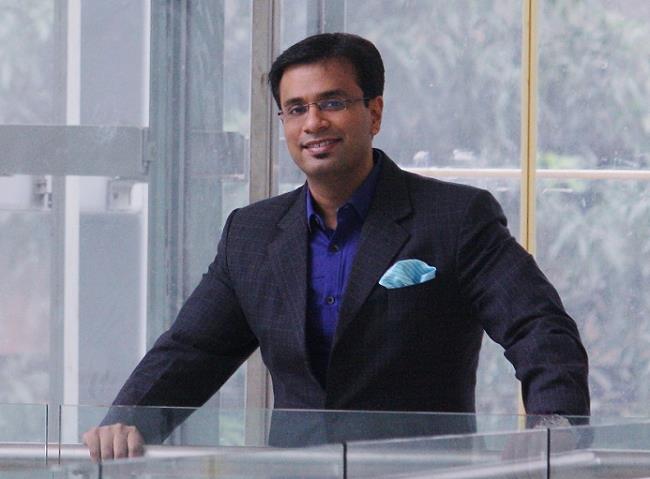
Dr. Debraj Shome approaches hair restoration with attention to both surgical technique and facial aesthetics. His approach considers factors such as the pattern of hair loss, available donor follicles, hairline position and the distribution of grafts when planning restoration.
His hair-restoration expertise includes FUE, hairline design, graft planning, donor-area preservation & individualised surgical strategies. This is particularly relevant when the goal is to achieve a result that blends with the patient’s existing hair rather than increasing hair density.
His broader experience in facial plastic and reconstructive surgery also brings an understanding of facial proportions and aesthetic balance, which can be important when designing the frontal hairline.
Best Hair Transplant Surgeon in Mumbai: What Should You Look For?
For patients considering a hair transplant in Mumbai, the surgeon’s experience should be assessed specifically in the context of hair restoration. Important factors include FUE expertise, hairline design, donor-area management, graft planning and long-term treatment strategy.
A surgeon should also be able to assess whether the patient’s existing donor supply can support the desired level of restoration. This becomes particularly important in advanced hair loss, where using too many grafts in one procedure may compromise future options.
Who Is the Best Crown Hair Transplant Surgeon?
Crown restoration requires a different approach from frontal hairline restoration because of the way hair naturally grows in this area. The crown typically forms a whorl, with follicular units changing direction as they move around its centre. A surgeon experienced in crown transplantation needs to account for this pattern while planning graft placement and density.
Key factors include:
- Natural crown whorl: Matching the direction and rotation of existing hair.
- Graft angulation: Placing follicles at angles that follow the surrounding growth pattern.
- Density distribution: Positioning grafts strategically to create natural-looking coverage.
- Existing native hair: Working around existing follicles so transplanted and native hair blend naturally.
How to Find the Best Hair Transplant Surgeon for Your Needs?
Finding the right surgeon means looking beyond general reputation and focusing on hair transplant specific expertise. The consultation should give you a clear understanding of how the surgeon will assess your donor area, plan the hairline, select the appropriate technique, and account for future hair loss.
Key questions to ask include:
- How will you assess my donor area and available follicular units?
- How will you design my hairline based on my facial structure and existing hair?
- Why are you recommending FUE or FUT for my case?
- How will you plan for future hair loss?
- Who will perform the extraction, recipient-site creation and graft placement?
- If I need crown restoration, how will you recreate the natural crown whorl?
Is There Really One “Best Hair Transplant Surgeon in the World”?
There is no universally recognised ranking that identifies one surgeon as the best hair transplant surgeon in the world. The right choice depends on the patient’s pattern of hair loss, donor supply, restoration goals, and the surgeon’s specific experience with those requirements. In other words, the best surgeon is not necessarily the most famous one, but the one whose expertise aligns with the patient’s individual hair-loss pattern and treatment needs.
Conclusion
There is no universally defined “best hair transplant surgeon in the world”. The more meaningful measure is the surgeon’s ability to assess the type and progression of hair loss, donor-area capacity, follicular-unit characteristics and long-term restoration requirements before recommending a surgical approach.
A strong hair-restoration plan should consider more than the immediate area of thinning. Hairline architecture, graft angulation, follicular-unit distribution, donor preservation and future hair-loss progression all influence the aesthetic and functional outcome of transplantation.
For patients considering hair restoration, Dr. Debraj Shome brings specialised experience in hair transplantation alongside his background in facial plastic and reconstructive surgery. This combination allows hair restoration to be considered not only as follicular replacement, but also in relation to facial proportions, hairline aesthetics and overall balance.
FAQs About the Best Hair Transplant Surgeon
Who is the best hair transplant surgeon in the world?
There is no universally recognised global ranking. The right surgeon depends on the patient’s hair-loss pattern, donor supply, restoration goals and the surgeon’s specific hair-restoration expertise.
What makes someone one of the best hair surgeons in the world?
Specialised experience in hairline design, follicular-unit handling, graft placement, donor preservation and long-term hair-loss planning are important factors.
How do I find the best hair transplant surgeon?
Look for a surgeon with specific hair-transplant experience and assess how they approach your donor area, hairline, graft requirements, technique selection and future hair loss.
Who is the best hair transplant doctor in India?
There is no single universally accepted ranking. Patients should assess a surgeon based on their hair-restoration expertise, surgical experience, technique and suitability for the individual’s case.
Who is the best crown hair transplant surgeon?
Crown restoration requires specific expertise in whorl reconstruction, graft angulation, direction and density planning. The appropriate surgeon should have demonstrated experience with these technical requirements.