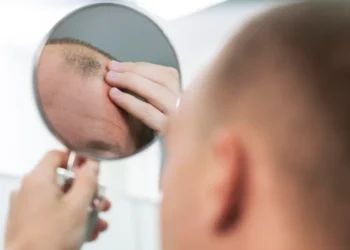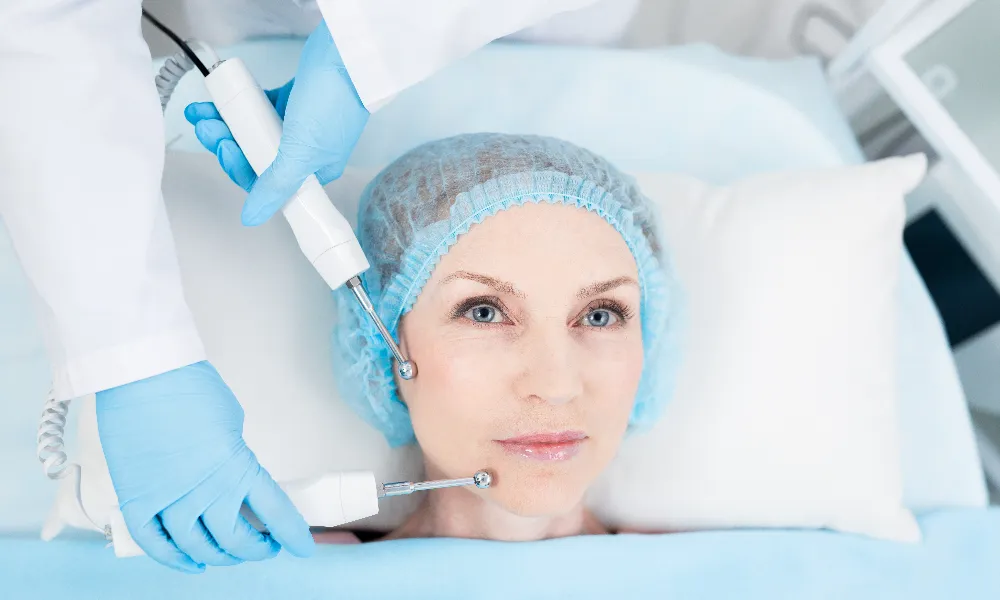
Eventually, there will be that moment in life where you find yourself staring at your reflection in the bathroom mirror, where the lighting is perfect or perhaps even imperfect, and you find yourself tilting your head, pulling back from your jaw, and wondering if this is the very thing that people see when they look at you. It could have been caused by giving birth, or maybe it has been something that’s bothered you since you were just sixteen. Either way, discussions concerning cosmetic surgery have certainly shifted.
But let’s be honest. The internet is a messy place for this kind of research. You are usually stuck between filtered “before and after” photos on Instagram that look too good to be true, or dry medical journals that make the whole thing feel terrifying. If you are actually thinking about doing this, you don’t need a sales pitch. You need a roadmap that talks about the artistry, the rough recovery days, and the actual risks involved.
The Shift Toward “The Refreshed Look”
For many years, the end result of the aesthetic process was “obvious perfection.” The 90s and the beginning of the 2000s come to mind: the frozen forehead and skin that seems too taut for one’s face. Fortunately, this trend belongs to the past. According to Dr. Debraj Shome and other experts, the key element of modern aesthetic surgeries is the “refreshed” appearance.
It does not require an individual to transform into an entirely new person with a completely changed appearance. Rather, patients should feel that their faces have become perfect due to their best six months of sleep ever. Therefore, there is a big shift from “reconstruction” towards “enhancement” nowadays. It implies that physicians performing such operations should combine knowledge of medicine with sculpting skills. Namely, they should be able to imagine the facial expression of patients during laughing, not just when they lie down on an examination bed.
Breast Implant Reality: It’s Not a “One Size Fits All” World
Body Contouring is the most frequent inquiry in our practice. Breast implants constitute a huge proportion of this market. But the discourse surrounding breast augmentation surgery has done a total 180 since the turn of the millennium.
It’s about the frame, not just the volume
In the past, the whole conversation was about size. How big? How much volume? Today, the focus has shifted to proportion and symmetry. Most patients looking into breast implants are trying to get back something they feel they lost—whether that’s from weight loss, nursing, or just aging.
The options now are actually a bit overwhelming if you aren’t prepared. You have “Gummy Bear” implants, which are form-stable silicone that won’t leak or lose shape even if the shell gets a nick. Then you have the debate between teardrop shapes for a natural slope or round ones for a bit more “oomph” at the top. Even where the implant goes—above or below the muscle—is a decision that changes based on how much natural tissue you have and how often you hit the gym.
The Lifestyle Fit
This is where the memory fails. If you are discussing cosmetic surgery with a surgeon, you must discuss your life. Are you an avid marathon runner? Are you constantly lifting heavy things? Your lifestyle impacts the type of breast implants that will suit you. You must consider the effects of your lifestyle on your implant selection. You want something that looks great at the beach, but also moves naturally with you when you’re living your life. It is this attention to detail that makes the difference between something that looks “done” and something that is “natural.”
Face and Body: More Than Just the Scalpel
While breast implants get a lot of the spotlight, facial work is where the technical skill really shows.
Rhinoplasty: Most people call it a nose job, but it is easily one of the hardest surgeries to get right. It is a game of millimeters. The best nose jobs are the ones where you can’t tell anything happened—the face just looks more balanced, and the eyes suddenly pop more.
Facelifts: We’ve moved past the “wind-tunnel” look. Modern facelifts focus on the SMAS layer—that is the muscle underneath the skin. By tightening the foundation rather than just pulling the surface, you get a result that actually lasts and looks human.
Lipo and Tummy Tucks: A lot of people think of these as weight-loss shortcuts. They aren’t. In practice, these are “finishing” tools. They are for those stubborn spots that even the cleanest diet and the most intense Pilates classes won’t touch.
The Stuff No One Tells You: Risks and the “Post-Op Blues”
We have to talk about the risks. If a surgeon says there aren’t any, you should probably leave that office. Any time you go under anesthesia, it is a big deal. According to the Cleveland Clinic, you are looking at standard risks like hematomas, infection, or scarring. Those are the medical facts.
But then there’s the human side: the recovery.
The First Week
Your post-surgery recovery period is not a beautiful sight. You’ll be swollen, you’ll be bruised, and let’s face it, you may even have a little buyer’s remorse. There is a very real phenomenon known as the “post-op blues.” Your body is going through inflammation, and your mind is trying to come to grips with the new appearance you see staring back at you in the mirror.
The Patience Factor
Healing isn’t a straight line. If you get breast implants, it can take months for them to “drop and fluff” into their final shape. If you get a nose job, minor swelling can hang around for a year. You have to be okay with the “in-between” phase. Patience is basically the most important part of the whole process.
How to Actually Pick a Surgeon
This is where you have to do your homework. You are trusting someone with your face or your body—that’s a huge deal.
Listen for the word “No”: A good surgeon will tell you if you don’t need something. If they are trying to sell you on three extra procedures during your first visit, that is a red flag.
Look past the filters: When you look at their “before and after” gallery, look for people who look like you. If you are 50 and all you see are 22-year-olds, that surgeon might not have the experience you need for your specific skin type.
The Credentials: This should go without saying, but make sure they are board-certified and operating in a real, accredited hospital or surgical center.
It’s Your Choice
At the end of the day, cosmetic surgery is about agency. We live in a time where we don’t just have to “deal with” things that make us feel self-conscious. Whether it is getting breast implants to feel more confident in your clothes or smoothing out some lines that make you look tired when you aren’t, the decision is yours.
When you do it for the right reasons, with a surgeon who actually listens, it isn’t just about changing a feature. It’s about that feeling you get when the house is quiet, you catch a glimpse of yourself in the mirror, and for the first time in a long time, you actually like the person looking back at you. That’s where the real value is.